
Table of Contents
Who are stakeholders?
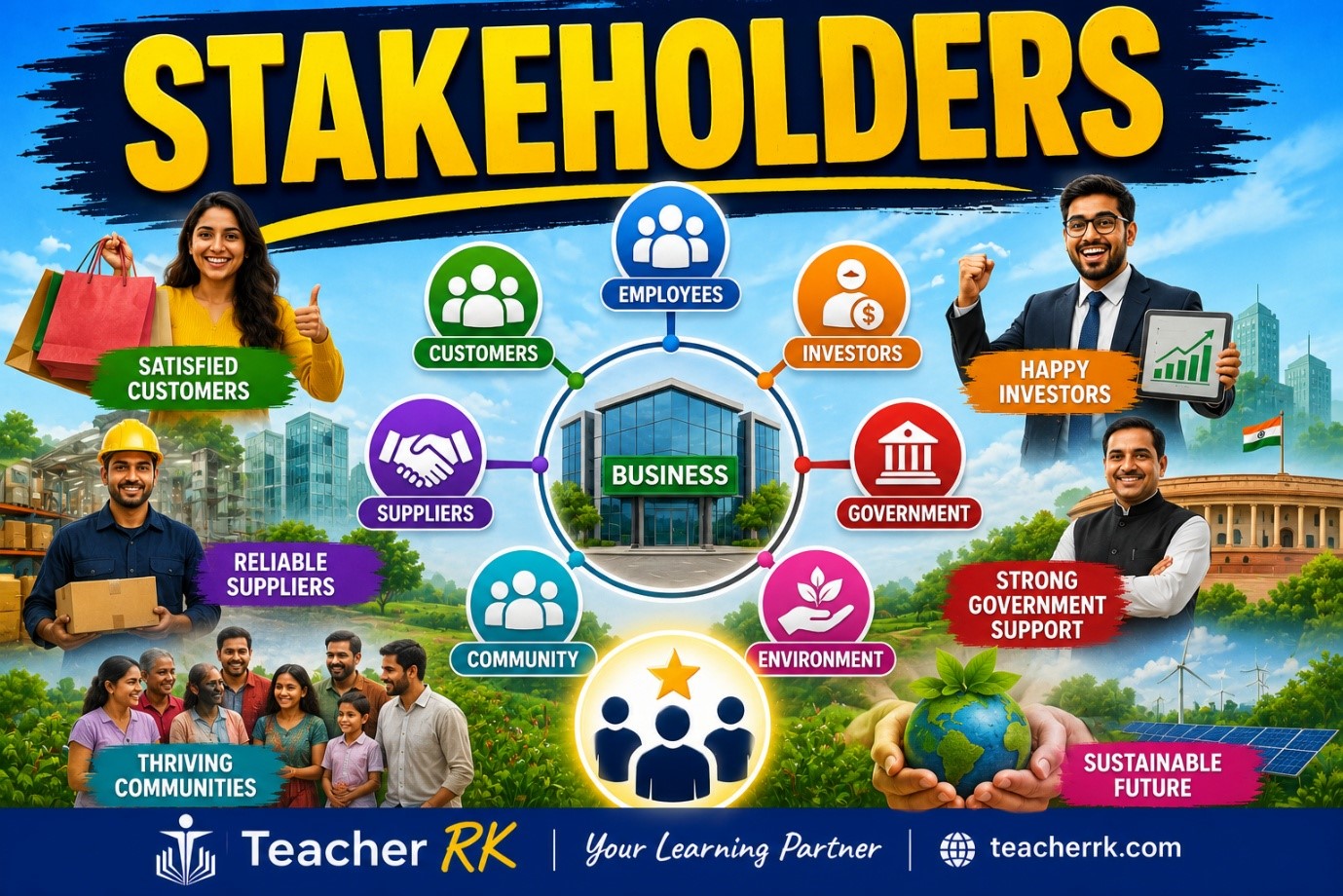
A stakeholder is any individual, group, or organization that can affect or is affected by the activities and decisions of a business. Stakeholders have an interest, or “stake,” in the success and performance of the organization.
Stakeholders can be internal, such as owners, managers, and employees, or external, such as customers, suppliers, governments, local communities, and investors. Different stakeholder groups often have different interests and expectations, which businesses must carefully balance when making decisions.
Understanding stakeholders is important because their support and cooperation can significantly influence a business’s ability to achieve its objectives and succeed in the long term.
Stakeholders vs Shareholders
A stakeholder is any individual or group that can affect or is affected by the activities of a Business Objectives, such as employees, customers, suppliers, governments, and local communities. A shareholder, on the other hand, is a person or organization that owns shares in a company and therefore has a financial interest in its success. While shareholders are primarily concerned with returns on their investment, stakeholders may have a wider range of interests, including job security, product quality, and environmental impact. In simple terms, all shareholders are stakeholders, but not all stakeholders are shareholders.
Stakeholders examples
For Home Needs Supermarket, the stakeholders would include:
Customers: Individuals or groups who purchase goods from the supermarket.
Employees: Staff who work at the supermarket, including cashiers, stock clerks, managers, and other personnel.
Suppliers: Companies and individuals that provide products and goods for the supermarket to sell.
Owners/Shareholders: Individuals or entities that own the supermarket or hold shares in the company.
Local Community: People living in the vicinity of the supermarket who may be affected by its operations, such as noise, traffic, and economic impact.
Government and Regulatory Bodies: Entities that impose regulations and laws the supermarket must comply with, including health and safety regulations, tax authorities, and labor laws.
Competitors: Other supermarkets and retail stores that compete for the same customer base.
Investors: Individuals or institutions that have invested in the supermarket and are interested in its financial performance.
Financial Institutions: Banks and other financial entities that provide loans, credit, or financial services to the supermarket.
Service Providers: Companies that offer services to the supermarket, such as cleaning, security, maintenance, and IT support.
Understanding and managing the needs and expectations of these stakeholders is crucial for the successful operation and growth of Home Needs Supermarket.
Stakeholders conflict
Conflicts among stakeholders can arise due to differing interests, priorities, and perspectives. Here are some possible areas of conflict among stakeholders of Home Needs Supermarket:
Owners and Employees:
Wages and Benefits: Owners may seek to minimize labor costs to maximize profits, while employees want higher wages and better benefits.
Working Conditions: Employees may demand better working conditions, which might require additional investment from owners.
Job Security: Owners might implement cost-cutting measures such as layoffs or automation, threatening employees’ job security.
Supermarket and Local Community:
Noise and Traffic: The supermarket’s operations can cause noise and increased traffic, disturbing the local community.
Environmental Impact: The community may be concerned about waste management, pollution, and environmental sustainability practices of the supermarket.
Competition with Local Businesses: The supermarket might outcompete smaller local Intro to Business Management, leading to economic concerns within the community.
Customers and Supermarket:
Product Pricing: Customers seek lower prices, while the supermarket needs to maintain profitability.
Product Quality: Customers demand high-quality products, but the supermarket might face constraints in sourcing and costs.
Customer Service: Poor customer service can lead to dissatisfaction and conflict, impacting the supermarket’s reputation.
Suppliers and Supermarket:
Pricing and Payment Terms: Suppliers want fair prices and timely payments, while the supermarket may negotiate for lower costs and extended payment terms.
Delivery Schedules: The supermarket may require strict delivery schedules, which can be challenging for suppliers to meet consistently.
Government/Regulatory Bodies and Supermarket:
Compliance Costs: The supermarket might resist regulatory requirements due to the costs involved, while regulatory bodies enforce compliance for public safety and fairness.
Labor Laws: Stricter labor laws may conflict with the supermarket’s operational flexibility and profitability.
Employees and Customers:
Service Expectations: Employees may struggle to meet high service expectations from customers due to workload or insufficient training, leading to customer dissatisfaction.
Financial Institutions and Supermarket:
Loan Terms: Conflicts can arise over repayment terms, interest rates, and financial performance expectations.
Understanding these potential conflicts can help the supermarket’s management proactively address and manage stakeholder relationships to ensure smooth operations and sustainable growth.
Quick Recap
- A stakeholder is any individual, group, or organization that can affect or is affected by the activities and decisions of a business.
- Stakeholders can be internal (owners, managers, employees) or external (customers, suppliers, governments, local communities, investors, and competitors).
- IB Business Management assessment structure must balance the interests of different stakeholders because their support is essential for long-term success.
- A shareholder is a person or organization that owns shares in a company, while a stakeholder is anyone with an interest in the business. All shareholders are stakeholders, but not all stakeholders are shareholders.
- Customers expect high-quality products, fair prices, and good customer service, while employees seek fair wages, job security, and safe working conditions.
- Suppliers expect fair prices, timely payments, and long-term business relationships, while owners and investors seek profitability and business growth and evolution.
- Stakeholder conflicts arise because different groups often have different objectives and expectations.
- Common stakeholder conflicts include owners vs employees (wages), customers vs business (prices), suppliers vs business (payment terms), and businesses vs local communities (noise, traffic, and environmental impact).
- Governments expect businesses to comply with laws and regulations, while businesses aim to minimize compliance costs and remain profitable.
- Effective stakeholder management helps businesses reduce conflicts, build trust, improve relationships, and achieve sustainable long-term success.