
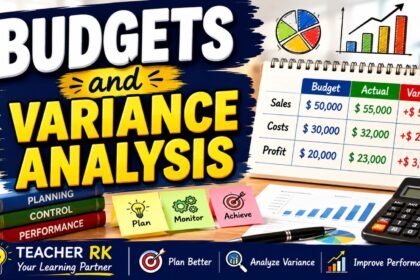
Introduction Planning and controlling finances are essential for the success of any business. To achieve financial objectives and use resources effectively, businesses prepare budgets and monitor actu...

Introduction Investment appraisal methods are crucial tools used by businesses to evaluate the viability and profitability of potential investment projects. Three commonly used methods in this process...

Introduction Cash is the lifeblood of any business. Even profitable businesses can face difficulties if they do not have sufficient cash available to meet their day-to-day expenses. To avoid cash shor...

Introduction In addition to profitability and liquidity ratios, businesses also use efficiency and gearing ratios to evaluate their financial performance. Efficiency ratios measure how effectively a b...
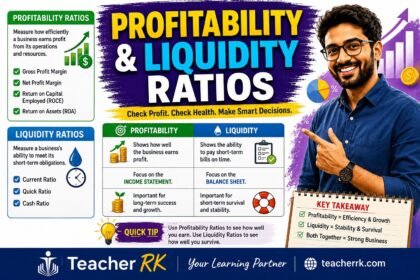
Introduction Financial ratios are tools used to analyze and interpret a business’s financial performance and financial position. By comparing figures from the Income Statement and Statement of F...

Introduction Businesses use various non-current assets such as machinery, vehicles, equipment, and buildings to support their operations. Over time, these assets lose value due to usage, age, and othe...
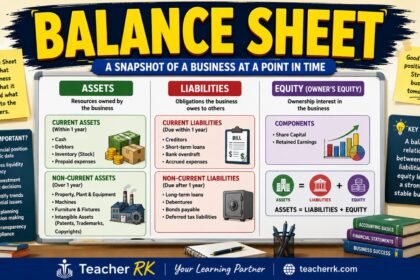
Introduction While the Profit and Loss Account shows the financial performance of a business over a period of time, the Statement of Financial Position, commonly known as the Balance Sheet, provides a...

Introduction At the end of an accounting period, businesses prepare final accounts to summarize their financial performance and financial position. Final accounts provide important information to owne...
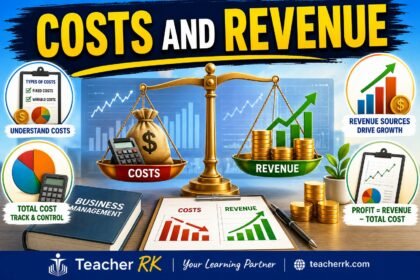
Introduction In business, costs refer to the expenses incurred in producing goods or providing services. Businesses must spend money on resources such as raw materials, labor, rent, utilities, and equ...

Introduction Every business requires financial resources to operate, grow, and achieve its objectives. These financial resources, known as sources of finance, can be obtained from various means. Under...